Exploring the Benefits and Applications of Heat Transfer Equipments in Modern Industry
Heat transfer systems play a vital role in contemporary industry. They incorporate numerous systems such as transmission, radiation, and convection, each adding to reliable thermal management. Industries like production and aerospace advantage substantially from these systems. As improvements continue, the integration of cutting-edge materials and innovations guarantees to enhance power effectiveness. This evolution elevates vital concerns about the future implications for sustainability and functional costs throughout several sectors. What exists ahead in this recurring makeover?
Recognizing Heat Transfer Concepts
Heat transfer principles are basic to the operation of different commercial systems. These concepts incorporate the systems of convection, radiation, and transmission, each playing a crucial role in managing thermal energy. Understanding conduction involves assessing how Heat relocates with strong materials, while convection pertains to Heat transfer in fluids, driven by liquid motion. Radiation, distinct from the various other 2, entails energy transfer with electro-magnetic waves. The efficiency of Heat transfer influences system performance, energy usage, and overall productivity. Reliable thermal management is crucial in processes such as cooling, home heating, and Heat recovery. By grasping these concepts, sectors can optimize their operations, reduce power prices, and enhance devices longevity, therefore adding to an extra sustainable and effective commercial landscape.
Trick Kinds of Heat Transfer Solutions
While different sectors utilize Heat transfer systems for varied applications, a number of vital kinds attract attention due to their specific functions and effectiveness. The most typical types consist of radiation, conduction, and convection systems. Transmission systems transfer Heat via straight get in touch with between products, making them efficient in solid-state applications. Convection systems, on the other hand, utilize liquid motion to move Heat, suitable for home heating or cooling gases and fluids. Radiation systems operate without a medium, relying upon electro-magnetic waves to move Heat, suitable for high-temperature atmospheres. Each type offers distinctive functions, allowing industries to customize their Heat transfer solutions based upon functional needs, power effectiveness, and cost-effectiveness. Understanding these systems is important for enhancing performance in various commercial settings.
Industrial Applications of Heat Transfer Technologies
The application of Heat transfer technologies in market plays a vital role in enhancing power efficiency and optimizing procedures. DVS Heat Transfer Systems. By executing innovative Heat exchange systems, business can greatly lower their environmental influence while enhancing overall efficiency. This integration not just promotes sustainability yet also straightens with contemporary governing and consumer needs for greener practices
Power Effectiveness Improvements
As sectors progressively focus on sustainability, energy effectiveness improvements in Heat transfer innovations have come to be necessary for minimizing functional costs and ecological influence. Enhanced Heat exchangers, as an example, utilize innovative materials and styles to maximize thermal performance while reducing power consumption. Furthermore, incorporating variable speed drives in pumping systems enables far better control of liquid flow, resulting in substantial power financial savings. The application of clever sensors and automation offers real-time tracking, allowing changes that maximize power use. Furthermore, waste Heat healing systems record excess thermal power, transforming it right into usable power. These developments not only improve power performance however additionally add to an extra lasting commercial landscape by lowering greenhouse gas exhausts and sustaining compliance with environmental regulations.
Refine Optimization Techniques
Refine optimization methods are essential in boosting the performance and efficiency of Heat transfer innovations in industrial applications. These techniques involve refining procedures to make the most of Heat transfer efficiency while decreasing power usage and operational costs. Methods such as computational liquid dynamics (CFD) modeling allow designers to examine and simulate Heat transfer circumstances, recognizing areas for improvement. In addition, real-time tracking systems can supply important data on temperature level slopes and flow prices, allowing adjustments that maximize efficiency. Applying sophisticated control strategies, such as anticipating analytics, can improve system responsiveness to varying operational demands. By applying these optimization strategies, markets can accomplish greater thermal performance, decreased downtime, and boosted product quality, eventually resulting in raised competition in the industry.

Environmental Effect Reduction
While commercial Heat transfer modern technologies are necessary for operational effectiveness, their application additionally provides possibilities for significant environmental influence reduction. By boosting power effectiveness, these systems decrease gas consumption, resulting in reduced greenhouse gas discharges. Advanced Heat exchangers can recuperate waste Heat, rerouting it to preheat inbound liquids, therefore minimizing power demands. Furthermore, the combination of Heat transfer modern technologies in renewable resource systems, such as solar thermal and geothermal applications, sustains the shift to sustainable methods. Industries that utilize these modern technologies additionally gain from reduced operational expenses and boosted governing conformity. On the whole, the strategic implementation of Heat transfer systems not just strengthens performance yet additionally cultivates an extra lasting commercial landscape, adding to international ecological goals.
Advantages of Reliable Heat Transfer Equipments
Reliable Heat transfer systems use considerable advantages in modern-day sector, mostly with improved energy efficiency and cost reduction. By maximizing thermal monitoring, these systems decrease energy waste, causing lower operational prices (DVS Heat Transfer Systems). Consequently, services can attain better sustainability and enhanced success
Power Effectiveness Improvements
As sectors increasingly prioritize sustainability and cost-effectiveness, energy effectiveness renovations in Heat transfer systems have emerged as an important focus. Enhanced efficiency in these systems results in decreased energy usage, allowing centers to run even more sustainably. By maximizing Heat transfer approaches, sectors can decrease waste Heat and attain much better thermal monitoring, greatly decreasing their ecological influence. Breakthroughs in modern technologies such as Heat exchangers and insulation products add to enhanced efficiency and integrity. In addition, carrying out energy-efficient Heat transfer services not only sustains conformity with regulative requirements but also cultivates a society of advancement within organizations. Eventually, these enhancements are vital in aligning commercial operations with international power conservation objectives, paving the means for a much more sustainable future in manufacturing and handling markets.
Expense Decrease Opportunities
By enhancing Heat transfer systems, markets can expose significant price reduction possibilities that improve their lower line. Effective Heat transfer minimizes energy intake, causing lower energy bills and decreasing operational expenditures. Additionally, boosted system performance reduces the need for maintenance and fixings, furthermore conserving costs gradually. Improved Heat transfer can additionally expand devices life expectancy, permitting business to delay capital investment on substitutes. Moreover, waste Heat recovery systems can transform excess Heat right into usable important source energy, additionally driving down expenses. These systems not just enhance processes yet also contribute to sustainability efforts, placing firms favorably in a significantly eco-conscious market. In general, the monetary advantages of effective Heat transfer systems are crucial and considerable for affordable benefit.
Technologies in Heat Transfer Solutions
Exactly how can contemporary industry improve its operations with innovative Heat transfer services? By embracing innovative materials and technologies, sectors can significantly improve thermal efficiency and performance. Developments such as nanofluids, which enhance Heat transfer capacities past Web Site standard liquids, and stage modification materials that store and release thermal power, are gaining traction. Additionally, the integration of clever sensing units and IoT gadgets permits real-time monitoring and optimization of Heat transfer procedures, reducing waste and boosting system responsiveness. Furthermore, additive manufacturing strategies make it possible for the development of more complex Heat exchangers that take full advantage of surface while lessening product usage. Collectively, these technologies drive functional efficiency and develop affordable advantages in numerous markets, including aerospace, manufacturing, and power.
The Role of Heat Transfer in Sustainability Initiatives
While the promote sustainability remains to reshape markets, the role of Heat transfer innovations comes to be increasingly vital in attaining environmental objectives. Reliable Heat transfer systems promote power effectiveness by enhancing thermal administration in numerous processes, substantially reducing power consumption and greenhouse gas emissions. For instance, advanced Heat exchangers are utilized in commercial applications to recover waste Heat, thereby minimizing energy waste. Furthermore, innovations such as phase change products improve thermal storage space, adding to eco-friendly energy combination. In addition, the adoption of sustainable fluids in Heat transfer systems can minimize environmental influence. By focusing on efficient Heat transfer, markets not just boost functional efficiency yet additionally straighten with global sustainability efforts, promoting a cleaner, extra lasting future.
Frequently Asked Questions
How Do Heat Transfer Systems Impact Power Prices in Production?
Heat transfer systems significantly influence energy expenses in manufacturing by enhancing efficiency, decreasing waste, and optimizing thermal administration. These enhancements lead to reduce operational expenses, ultimately benefiting total performance and productivity in commercial operations.
What Maintenance Is Needed for Heat Transfer Systems?
Maintenance for Heat transfer systems includes normal assessments, cleaning of components, checking liquid degrees and conditions, changing used parts, and ensuring correct insulation. These activities improve efficiency, expand life expectancy, and avoid expensive malfunctions in operation.
Exist Security Worry About Heat Transfer Solutions?
Safety interest in Heat transfer systems consist of prospective leakages, pressure accumulation, and thermal hazards. Correct design, routine upkeep, and adherence to safety and security protocols are important to reduce these dangers and guarantee risk-free procedure in commercial atmospheres.
How Can I Select the Right Heat Transfer System for My Company?
Picking the best Heat transfer system entails evaluating aspects such as performance, application demands, spending plan constraints, and safety requirements. A detailed analysis of these aspects will assist assure ideal performance and integrity in business operations.
What Prevail Failures in Heat Transfer Equipments and Their Causes?
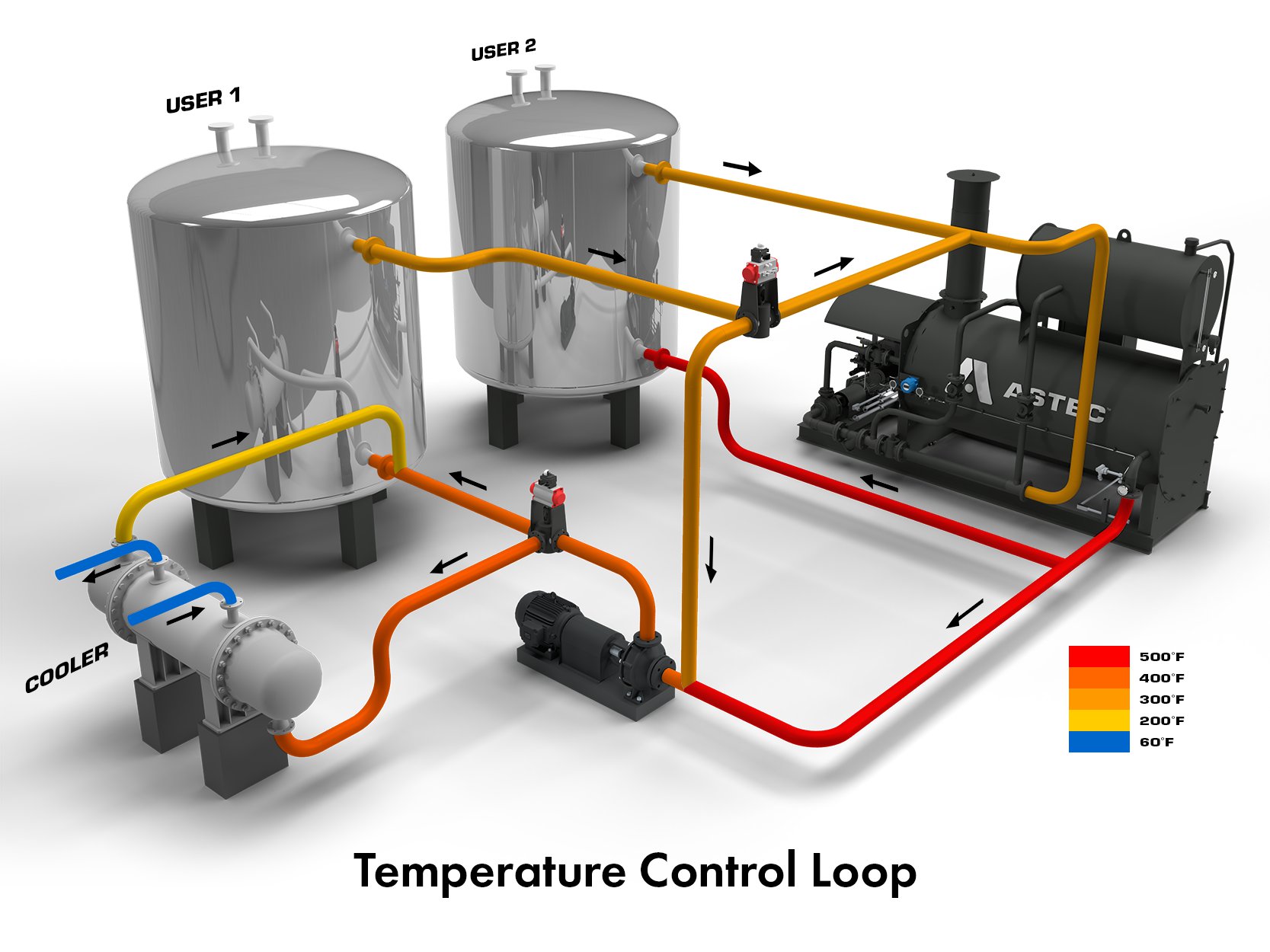
Comprehending transmission involves examining how Heat relocates via solid products, while convection pertains to Heat transfer in fluids, driven by fluid activity. By optimizing Heat transfer techniques, sectors can reduce look at here waste Heat and accomplish much better thermal monitoring, significantly reducing their ecological impact. Waste Heat healing systems can change excess Heat into usable energy, additionally driving down prices. Advanced Heat exchangers are made use of in industrial applications to reclaim waste Heat, thereby lessening energy waste. Usual failings in Heat transfer systems consist of leaks, corrosion, and inefficient Heat exchange.
Comments on “Revealing the Potential of DVS Heat Transfer Systems in Cutting-Edge Thermal Management”